Energy as a Baseline Enabler: Why Sri Lanka’s Digitalization of Electricity Grievances Must Be Human-Centric
At the PUCSL stakeholder consultation on Sri Lanka’s draft Consumer Grievances Redressal Forum rules, SPHERE argued that electricity is not merely a utility service but a baseline enabler of civic participation and digital rights. Mandating a digital-first grievance process risks isolating the very consumers it is meant to protect.

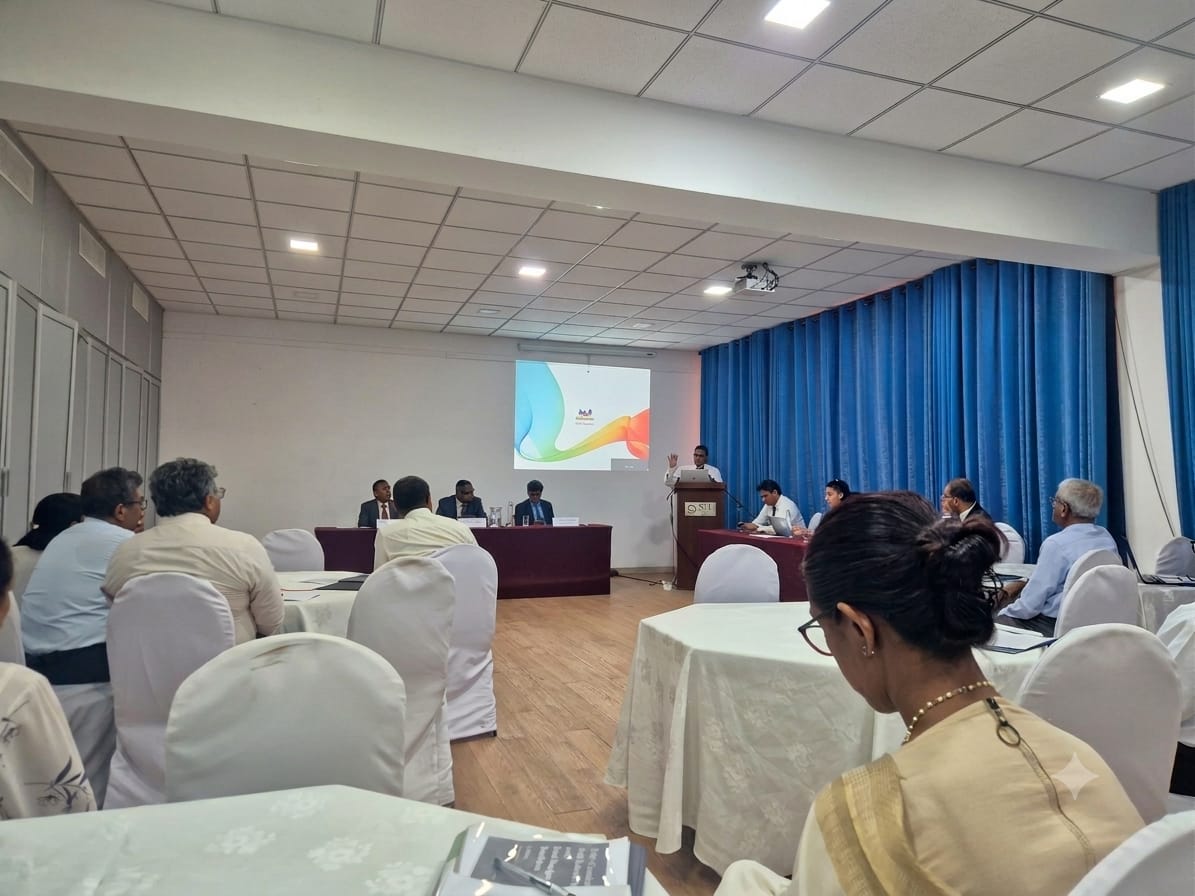
On July 9, 2026, regulators, utility providers, legal scholars, and civil society advocates gathered at the Sri Lanka Foundation Institute in Colombo for a landmark stakeholder consultation. Organized by the Public Utilities Commission of Sri Lanka (PUCSL), the session focused on two critical regulatory drafts under the newly enacted Sri Lanka Electricity Act No. 36 of 2024: the proposed Rules on the Consumer Grievances Redressal Forum (GRF) and the Regulations on Dispute Resolution Procedures.
While much of the public debate centered on technical timelines and formal procedural pathways, SPHERE Research and Advocacy brought a fundamental perspective to the room: In today’s connected society, electricity is not merely a utility service—it is a baseline enabler of civic participation, digital rights, and economic equity.
The Paradigm Shift: Electricity and Digital Rights
Delivering SPHERE’s presentation, Executive Director Mr. Anuruddha Bandara underscored the deep interplay between energy access and digital inclusion. Without reliable power, digital connectivity fails; without access to digital infrastructure, citizens are excluded from basic government and economic services.
Because electricity acts as a foundation for all digital rights, the procedures used to resolve consumer electricity grievances must be exceptionally accessible, fair, and resilient.
While SPHERE strongly commends the PUCSL’s progressive push to use digital tools for enhanced efficiency, transparency, and data-driven governance, we cautioned against a top-down, aggressive approach to mandatory digital transition.
Key Concerns: Independence, Automation, and Privacy
SPHERE highlighted several structural and digital vulnerabilities in the proposed framework:
1. Structural Independence
Under Clause 6(n) of the draft rules, the honorariums, travel allowances, and operational expenses for the GRF panel are funded directly by individual distribution licensees. SPHERE argued that this financial model creates potential conflicts of interest, compromising both the perceived and actual independence of the adjudicating body.
2. The Digital Literacy vs. Competency Gap
Draft Clause 6(c) mandates that all Electricity Distribution Licensees (EDLs) fully digitize their complaint management and grievance systems within 18 months. While online filing can streamline operations, basic digital literacy does not equal technical competency. Mandating digital-first platforms risks isolating marginalized communities, low-income households, and elderly consumers who rely on direct human contact during moments of service disruption.
3. Data Protection and Cybersecurity Safeguards
Transitioning grievance processes to digital mobile apps and portals introduces serious data privacy concerns. SPHERE called for strict adherence to Sri Lanka’s Personal Data Protection Act (PDPA)—specifically aligning with Data Protection Authority Circular 01/2024 for public sector applications—alongside robust cybersecurity protections certified by Sri Lanka CERT.
Human-Centric Recommendations
To ensure that the PUCSL’s regulatory framework protects all Sri Lankans equally, SPHERE submitted four actionable recommendations:
-
Preserve Non-Digital Channels: Retain permanent, fully operational non-digital reporting avenues, including dedicated hotlines and formal written submissions.
-
Low-Bandwidth Design: Develop lightweight, low-data mobile interfaces to ensure accessibility in areas with weak network connectivity.
-
Full Tri-Lingual Accessibility: Ensure all digital interfaces, app workflows, and physical forms are equally functional in Sinhala, Tamil, and English.
-
Inclusive Features: Incorporate accessibility standards for persons with disabilities (PWDs).
A Diverse Cross-Section of Stakeholder Insights
The consultation reflected a broad spectrum of perspectives across Sri Lanka’s legal, technical, and consumer advocate sectors:
-
Legal & Research Community: Attorneys-at-Law Mr. Amrit Rajapaksha, Ms. Laila Nasry, and Ms. Verangika provided detailed legal dissections of the proposed procedural sequence. Researchers including Ms. Lankika Fernando (Factum Research Organization) and Ms. Yanitra Kumaraguru (Verité Research) advocated for grouping complaints systematically based on technical complexity rather than a one-size-fits-all model.
-
Consumer & Regional Advocates: Voices representing the National Chamber of Commerce of Sri Lanka, Sunbeam Technology, the Deshayodaya National Assembly, and members of the Consumer Consultative Committee (Central Province) urged regulators to incentivize early internal dispute resolution—similar to designated Right to Information (RTI) officers—before cases reach formal litigation.
-
Utility Operators: Representatives from LECO (Mr. W.N.U Wijesinghe) and the major distribution licensees (Eng. W. D. A. J. Chandrakumara) addressed the practical challenges of meeting rigid response deadlines and managing decentralized regional divisional capacities.
The Path Forward
The draft rules mark an essential step toward modernizing Sri Lanka’s energy regulation under the 2024 reform framework. However, institutional reform must prioritize human rights alongside technical efficiency. SPHERE remains committed to collaborating with the PUCSL and utility providers to ensure that as Sri Lanka’s power sector digitizes, no citizen is left behind in the dark.