How Social Media Rewrote Sri Lanka’s Election Playbook
Sri Lanka’s democratic landscape has undergone a profound transformation, moving away from traditional, top-down political rallies and into the decentralized terrain of digital spaces.

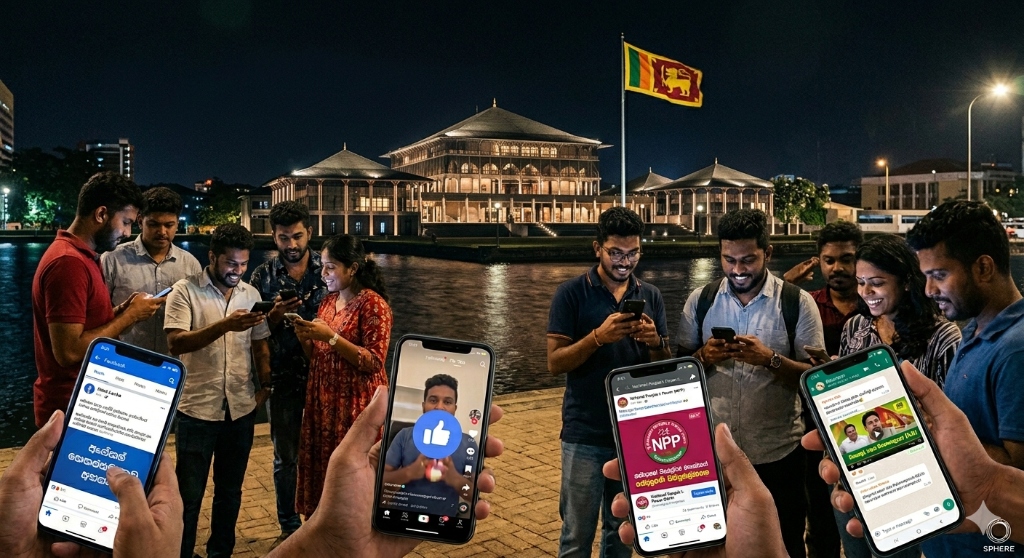
Sri Lanka’s democratic landscape has undergone a profound transformation, moving away from traditional, top-down political rallies and into the decentralized terrain of digital spaces. From the historic social-media-fueled Aragalaya protests to successive major election cycles, platforms like Facebook, TikTok, WhatsApp, and YouTube have evolved from optional campaign tools into the primary battlegrounds for political survival and power. The traditional “stage” has permanently shifted to the smartphone screen.
The Decentralization of Campaigning
Historically, Sri Lankan election campaigns required staggering financial capital. Dominating the airwaves on private television networks, purchasing massive print advertisements, and organizing island-wide transport for physical rallies naturally favored wealthy, entrenched political elites.
Digital media has fundamentally fractured this monopoly. Over the last few election cycles most notably the pivotal 2024 presidential and parliamentary polls, and the subsequent local government elections grassroots coalitions successfully weaponized a multi-platform digital strategy to level the playing field.
Rather than relying purely on centralized party manifestos, political movements decentralized their messaging. Campaigns are now fought through specialized content ecosystems:
- TikTok & YouTube Shorts: Used to slice hours of dense parliamentary debates or economic proposals into highly shareable, 30-second punches that appeal to younger, first-time voters.
- Private WhatsApp Networks: Essential for hyper-local mobilization, coordination of polling booth volunteers, and the rapid dissemination of regional campaign updates directly into citizens’ family group chats.
- Meme Culture & Satire: Memes have become a legitimate form of political currency, acting as a soft-power tool to strip away the historical reverence surrounding political families and exposing institutional corruption.
The Rise of the Political Influencer
One of the most defining aspects of this digital migration is the outsourcing of political messaging to the creator economy. Recent electoral data highlights that younger demographics increasingly bypass legacy media altogether, viewing traditional news broadcasts with deep skepticism.
In response, political parties have systematically integrated independent social media influencers, vloggers, and content creators into their payrolls and campaign strategies. By collaborating with lifestyle, tech, or comedic creators who possess high-trust, built-in audiences, political candidates are able to cultivate an aura of organic relatability and authenticity that standard political advertisements cannot achieve.
Algorithms, Outrage, and Regulatory Gaps
However, this systemic shift presents massive democratic vulnerabilities. The underlying architecture of modern social media is powered by algorithms optimized for maximum engagement, which frequently translates to algorithmic amplification of emotional outrage, polarization, and fear.
The physical violence that historically marred Sri Lankan elections has drastically declined, but it has been replaced by sophisticated digital warfare. Political strategists now deploy coordinated bot networks, troll farms, and AI-generated deepfakes designed to dismantle an opponent’s credibility in a matter of hours. Fact-checking organizations continuously monitor these cycles, but the sheer velocity of online disinformation routinely outpaces corrective measures.
Furthermore, this rapid digitization has exposed critical regulatory black holes. While the Election Commission of Sri Lanka issues strict media guidelines during election periods, enforcing spending transparency and content accountability on multi-billion-dollar global tech giants remains nearly impossible.
Digital spaces have undeniably democratized access to the Sri Lankan voter, allowing alternative voices to challenge the status quo. Yet, they have simultaneously left the electoral process exposed to unseen manipulation. As the nation navigates its fragile post-crisis governance, the central civic challenge remains clear: Sri Lanka must learn to foster a vibrant, digital public square while building the systemic media literacy and legal safeguards required to defend its democracy from the toxicity of the digital frontier.