
Finding Balance: Living with Your Phone Without Losing Your Mind
Let’s be honest: most of us start our days the exact same way. The alarm goes off, and before we’ve even rubbed the sleep out of our eyes, we’re reaching for our screens. We live in a world where our pockets are constantly buzzing with everyone else's news, stress, and updates.

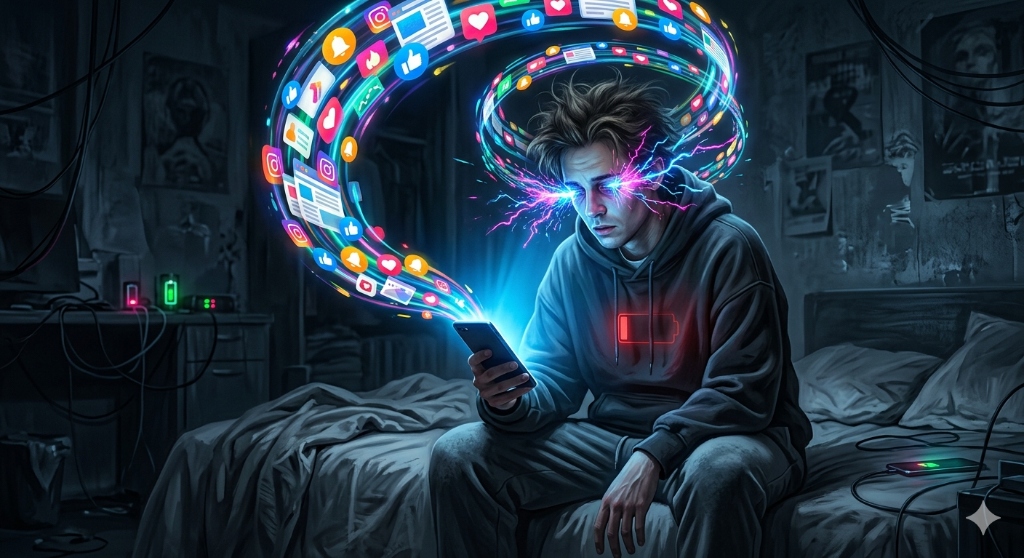
Let’s be honest: most of us start our days the exact same way. The alarm goes off, and before we’ve even rubbed the sleep out of our eyes, we’re reaching for our screens. We live in a world where our pockets are constantly buzzing with everyone else’s news, stress, and updates.
Don’t get me wrong, technology is amazing it keeps us connected and makes life easier. But it’s also exhausting, isn’t it? Digital wellbeing isn’t about throwing your phone in the ocean and moving to the woods. It’s simply about making sure your tech works for you, rather than letting it control you.
Why We Can’t Look Away (And Training Your Dopamine Sensitivity)
If you’ve ever meant to check one quick email and suddenly realized an hour has vanished while watching videos, you aren’t alone. It’s not a lack of willpower; it’s biology. Our apps are deliberately designed to trigger a “dopamine effect” the exact same chemical reward system that keeps people hooked on slot machines.
Every “like,” comment, or breaking news alert gives our brains a tiny, immediate hit of excitement. However, because we are constantly flooding our brains with these cheap hits, we actually blunt our own dopamine sensitivity. When your brain gets used to constant, high-speed stimulation, regular, everyday activities like reading a book, going for a walk, or having a quiet conversation start to feel incredibly boring. To get our focus back, we have to intentionally train our dopamine sensitivity by stepping away from the screen, allowing our brains to reset so that normal, real-life moments feel rewarding again.
The Hidden Cost to Our Sleep Cycles
This “always-on” lifestyle doesn’t just exhaust our waking hours; it completely sabotages how we rest. When we lie in bed scrolling in the dark, the blue light from our screens tricks our brains into thinking the sun is still up, halting the production of melatonin (our natural sleep hormone). But the damage doesn’t stop just because you finally put the phone down and close your eyes.
Healthy rest happens in specific cycles. Throughout the night, you are supposed to move from light sleep, down into deep physical sleep (where your body repairs itself), and finally into REM sleep (where your brain processes memories and emotions).
When you spend the hour right before bed consuming highly stimulating content whether it’s an angry social media post, a stressful work message, or a fast-paced video your nervous system goes into “high alert.” Because your brain is so wired, it takes much longer to actually fall asleep. More importantly, it struggles to sink into those crucial deep sleep and REM stages. Instead of properly repairing your body and clearing out mental fog, you end up stuck in restless, shallow sleep phases. You might stay in bed for eight hours, but because that pre-sleep screen time wrecked your natural sleep cycles, you still wake up feeling completely exhausted.
Simple Ways to Reclaim Your Time (and Your Mind)
You don’t need a drastic digital detox to feel better. Here are a few gentle, practical ways to break the loop and retrain your brain:
-
Protect the First Hour of Your Day: Just as you protect your sleep, protect your mornings. Instead of instantly flooding your brain with dopamine and stress the second you open your eyes, do not look at your phone for at least the first hour of the day. Drink water, stretch, or make breakfast without a screen. This sets a calm, focused baseline for your entire day.
-
Defend the “Golden Hour” Before Bed: Give your brain time to power down. Try to put your phone on the charger an hour before you plan to sleep. Let your brain naturally prepare for those deep sleep cycles.
-
Create “No-Phone” Zones: Pick a few places where screens simply aren’t allowed. The absolute best place is the bedroom. Buying an old-school alarm clock and charging your phone in the kitchen can completely transform the way you sleep.
-
Try the “Gray-Scale” Trick: Our brains love the shiny, bright colors on our screens because they artificially boost that dopamine reward. If you switch your phone’s display to black-and-white (grayscale), it suddenly becomes incredibly boring to look at. It’s a fantastic way to train your dopamine sensitivity and naturally stop mindless scrolling.
-
Pause Before You Scroll: Next time you unlock your phone, ask yourself: “Why am I doing this right now?” If the answer is just “I’m bored,” try to pause. Stretch, look out the window, or embrace the boredom for a minute.
Living in the Present
At the end of the day, digital wellbeing is about quality. Technology is a wonderful thing when we use it to learn, work, or genuinely connect with people we love. It only becomes toxic when we use it to endlessly escape or compare our real lives to someone else’s highlight reel.
By setting a few boundaries, we aren’t missing out on the digital world. We’re just making sure we have enough energy left to actually enjoy the real one right in front of us.